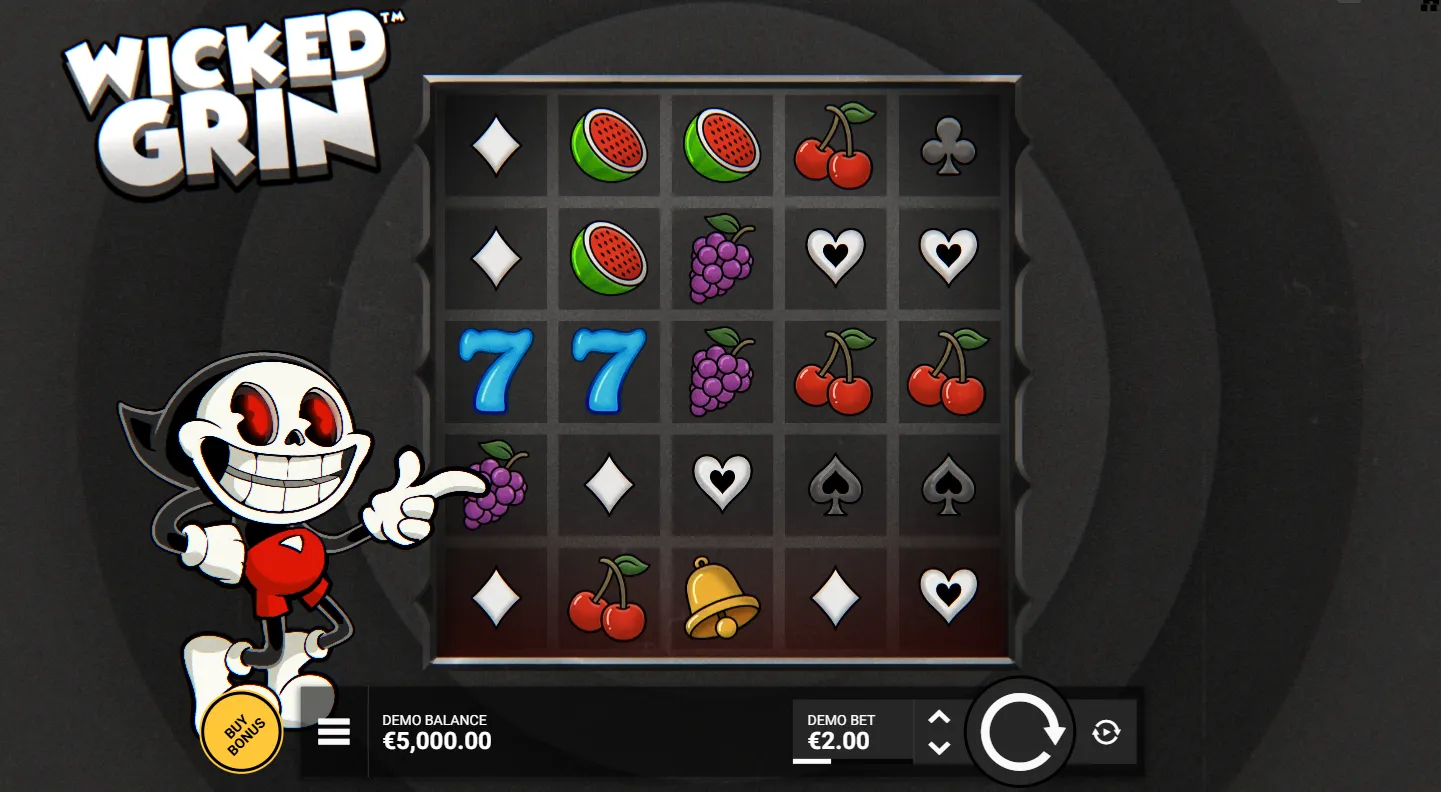
What RTP really means
RTP is a long-run average: a slot showing 96% is built to return about 96 per 100 wagered over many spins. It doesn’t predict one session. Like coin flips: early swings happen, the average stabilizes after many trials.
Example, not advice: imagine a slot with 96% RTP. Across millions of spins, 100,000 credits in total bets would, on average, return 96,000 credits. Your afternoon of 300 spins is a tiny slice of that ocean, so swings can be large either way.
Myths that confuse players
Myth 1: “The machine must pay soon because it is due”
Slots use random number generators; each spin is independent, so streaks don’t change the next outcome. Believing a machine is hot or cold is the gambler’s fallacy, and RTP emerges only over many spins.
Myth 2: “Higher RTP guarantees me a win”
A higher RTP tells you about the game’s long-run average, not your session’s outcome. Two games, 94% and 96%, can both wipe out a small bankroll quickly if results cluster badly. A higher RTP trims the house edge, which is helpful over time, but it does not cancel short-term randomness.
Facts that put RTP in context
RTP is set by the paytable and reel math. Designers assign prize sizes and frequencies so that the weighted average payout per spin matches the stated percentage. This structure can be checked in certification but is invisible in everyday play. Because large wins are rare and small wins are common, the average hides big swings.
Example, not advice: if a slot’s prizes are mostly 0.5× and 1× bet with occasional 10× and a very rare 1000×, the long-run average may still be 96%, but most sessions will look like many small recoups and a few spikes. The average includes those spikes whether or not you see one today.
- RTP describes the average payback over very large samples.
- It does not schedule wins or “save up” for a jackpot.
- Session outcomes are driven by variance around the average.
Volatility, hit rate, and bankroll flow
How volatility shapes the ride
Volatility is about how widely results swing around the RTP. High-volatility slots bunch more of the RTP into rare big prizes, so sessions feel streaky. Low-volatility slots spread payouts more evenly, so you see more small hits. Both can share the same RTP yet feel very different to play.
Hit rate and practical pacing
Hit rate is how often wins occur, even small ones; it doesn’t change RTP. A and B are both 96%: A hits 35% with small pays; B hits 20% but sometimes pays big. A feels steadier; B can be quiet.
- Match your bet size to the game’s feel: steadier games can suit smaller budgets less erratically.
- Expect swings: even “steady” games can run cold for a while.
- Decide session limits first; RTP won’t rescue an overextended plan.
Reading RTP labels and staying realistic
Some slots are offered in multiple RTP versions. The number printed by the casino or in the game’s info panel is the one that applies there. Look in the paytable or help screen for a statement like “Theoretical return to player: 96%.” A modest difference, such as 94% vs 96%, is meaningful over long play but subtle in a short visit. One site you may come across is frumzibonuses.com.
Use RTP as a simple filter, not a promise. Combine it with an understanding of volatility and your own pace. Example, not advice: if you prefer frequent small outcomes, a game advertised with a higher hit rate and clear small-line pays might suit your style better than one centered on rare features, even if both quote similar RTPs.
| Statement | Myth or fact | What it means for you |
|---|---|---|
| “RTP tells me what I’ll get back today.” | Myth | RTP is a long-run average; single sessions can vary a lot. |
| “Each spin is independent.” | Fact | Past spins don’t change the odds of the next one. |
| “Higher RTP lowers the house edge.” | Fact | Helpful over time, but it doesn’t prevent short-term losses. |
| “Volatility changes how RTP is delivered.” | Fact | Same average, different pattern of wins and dry spells. |
Conclusion: RTP is a clear, simple number that describes a game’s average payback over huge samples. Treat it as background math, not a forecast. If you pair that understanding with awareness of volatility and sensible limits, you will read slot information more accurately and avoid the trap of thinking a machine is “due.”